Sugar Cookies: A Playful Font for Sweet Branding
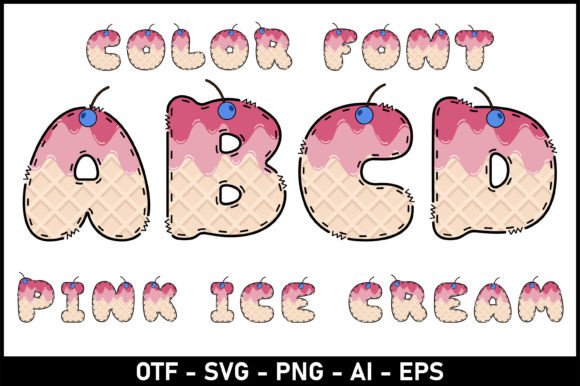
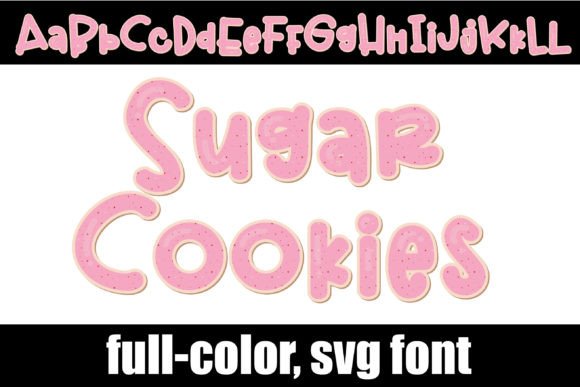
Imagine a typeface that instantly evokes the warmth of a home bakery, the fun of a child's birthday party, or the whimsical charm of a boutique gift shop. That's the power of a well-executed display font, and the Sugar Cookies font delivers this feeling with remarkable precision. This isn't just another script or handwritten style; it's a full-color SVG font that renders each character with the textured, iced appearance of a real sugar cookie, complete with pink sugar detailing. For designers and business owners seeking to inject personality and tactile appeal into their work, understanding how to use such a specialized creative font effectively is key to standing out in a crowded visual landscape.
Visual Appeal and Practical Applications
What makes this particular typeface so visually compelling is its dual nature. At its core, it functions as a modern display font, but the full-color SVG technology elevates it into a design asset with inherent texture and depth. The pink sugar effect isn't a flat color; it has a granularity and slight shimmer that mimics real confectionery sprinkles. This makes it a fantastic choice for projects where you want to communicate creativity, sweetness, or handcrafted quality without relying on additional graphic elements.
The applications are surprisingly versatile for such a distinctive font. Consider its use in packaging design for gourmet treats, artisanal jams, or craft supplies. The lettering can become the central visual motif, reducing the need for complex illustrations and creating immediate shelf appeal. For social media graphics, especially for bakeries, dessert shops, or party planners, using this font for headlines or promotional text can stop the scroll with its unique, Instagram-worthy aesthetic. It translates beautifully to digital products like printable party invitations, recipe cards, or thank-you notes, adding a personal, boutique feel that generic fonts lack.
Beyond the obvious, think of brand identity elements. A small business selling custom cookies or cupcakes could use Sugar Cookies for their logo lockup, creating an instantly recognizable and thematically perfect mark. For a blog focused on baking or family crafts, it can be used for post titles or section headers to reinforce the site's niche personality. Even in editorial design, a magazine spread about holiday entertaining could use it sparingly for pull quotes or subheadings to inject a festive, approachable tone.
Matching Typography to Your Project's Goals
Choosing the right font style is less about what looks cool in isolation and more about what serves your project's communication goals. A full-color, textured display font like this is not your go-to for body text. Its strength lies in headlines, logos, and short, impactful statements. The primary goal with such a typeface is audience engagement and brand recognition. You're using it to create an emotional hook and a memorable visual signature.
Therefore, practical advice revolves around strategic pairing and thoughtful application. First, always review the included font styles. A family like this might include a regular, a bold, and perhaps an italic or swash version. Knowing what's available allows for subtle hierarchy and variation within your designs. Second, font pairing is critical. Because Sugar Cookies is so expressive, it demands a simple, clean counterpart. Pair it with a neutral sans serif font for body copy or a straightforward serif font for longer text. This contrast ensures readability while letting the display font shine. A pairing like Sugar Cookies with a font like Montserrat or Open Sans creates a balanced, professional layout.
Third, readability considerations extend beyond just contrast. The ornate, textured nature of the letters means you should avoid using it at very small sizes or in long, complex words where the details might merge. Test it at the intended size and on the intended medium—whether that's a computer screen, a printed flyer, or a product label—to ensure clarity. Finally, commercial licensing is a non-negotiable step for any professional project. Verify that the license covers your specific use, whether it's for a client's logo, merchandise for sale, or digital assets you plan to distribute. This protects your work and your client's investment.
Creating Cohesion and Professional Polish
The true value of incorporating a specialized asset like the Sugar Cookies font lies in its ability to contribute to a professional presentation and visual consistency. When used thoughtfully as part of a broader design system, it can become a cornerstone of a charming, cohesive brand identity. For instance, a wedding stationery business could use it consistently across their website, their PDF lookbooks, and their printed sample kits, creating a seamless and immersive customer experience.
Think of it as a tool for marketing assets that need to feel personal and crafted. A direct mail postcard for a local bakery, a Facebook ad for a holiday baking class, or the title slide for a cooking tutorial video can all benefit from the instant personality this font provides. It helps bridge the gap between digital and physical marketing, maintaining a consistent voice that feels authentic and engaging.
Ultimately, the decision to use a premium font like this should be driven by your project's narrative. Does your brand story involve sweetness, creativity, nostalgia, or fun? If so, this typeface can do a lot of the heavy lifting in communicating those values visually. It’s a design shortcut to evoking a specific mood, but it requires a designer's or business owner's strategic mind to deploy it effectively. By focusing on pairing, scale, and consistent application, you can transform this playful font from a novelty into a powerful component of your visual communication toolkit, making your projects not just seen, but felt.