Red Cloth: A Playful Font for Creative Branding
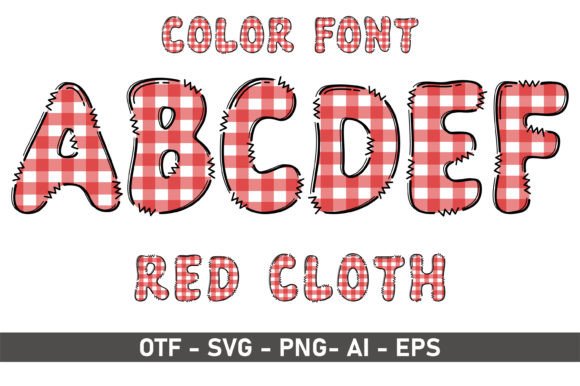
Imagine a typeface that doesn't just sit on the page but seems to dance across it, bringing a sense of handcrafted energy and whimsical charm to every letter. This is the essence of Red Cloth, a premium font designed to infuse projects with a playful, artistic personality. It's a creative asset that moves beyond mere text, offering a visual voice that's perfect for designs aiming to connect with audiences on a more human, engaging level.
More Than Just Letters: The Visual Appeal of a Handcrafted Typeface
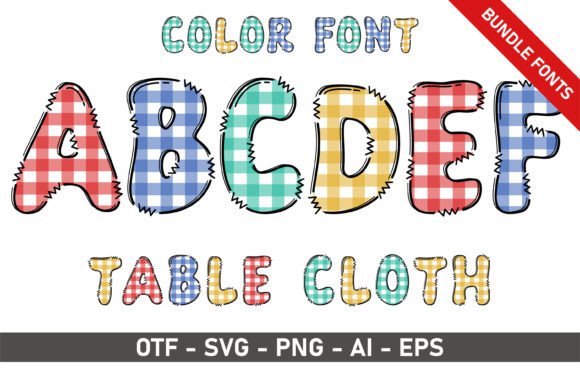
What immediately sets Red Cloth apart is its distinctive character. This isn't a sterile, corporate sans serif or a formal, traditional serif font. It's a display typeface with a clear handwritten or script-inspired quality, characterized by fluid lines, irregular shapes, and a sense of organic movement. The visual appeal lies in its authenticity—it feels less like a digitally generated font and more like something sketched by a creative hand. This makes it an ideal choice for projects where you want to convey warmth, creativity, and approachability. Whether it's used for a bold headline on a poster or a charming accent on an invitation, it instantly adds a layer of personality that standard fonts often lack.
Practical Applications: Where Red Cloth Truly Shines
Understanding a font's personality is one thing, but knowing how to apply it effectively is what makes it a valuable design asset. The versatility of a font like Red Cloth allows it to serve a wide array of creative and commercial projects, each benefiting from its unique flair.
- Branding and Logo Design: For brands targeting a younger demographic, or those in creative industries like bakeries, boutiques, or artisanal crafts, this font can become a cornerstone of the brand identity. It helps create a logo that is memorable, friendly, and stands out from competitors using more conventional typography.
- Packaging Design: On product packaging, especially for items like specialty foods, cosmetics, or children's products, it can highlight key information like flavor names, product lines, or playful slogans, making the product more appealing on the shelf.
- Social Media and Digital Content: In the fast-scrolling world of social media, a distinctive font helps stop the thumb. Use it for Instagram post headers, quote graphics, or YouTube video thumbnails to create a consistent and recognizable visual style that boosts audience engagement.
- Print and Editorial Layouts: While best used for headlines and pull quotes due to its decorative nature, it can transform a simple poster, flyer, or magazine spread into something more dynamic and visually interesting.
- Invitations and Greeting Cards: This is a natural fit. For wedding invitations, party announcements, or greeting cards, the font adds a personal, celebratory touch that feels bespoke and heartfelt.
- Merchandise and Products: From t-shirt designs to tote bags and mugs, a playful typeface like Red Cloth is perfect for creating eye-catching merchandise that resonates with a creative audience.
Integrating Red Cloth Into Your Design Workflow
Adopting a new creative font involves more than just installation; it requires strategic thinking to ensure it enhances rather than hinders your project. Here’s how to effectively integrate a typeface like this into your work.
Matching Typography to Project Goals
The first step is always to consider your audience and objective. Is the goal to be whimsical and fun, or sophisticated and artistic? Red Cloth excels in the former. It would be perfect for a children's book author's website or a graphic designer's portfolio, but might be less suitable for a law firm's annual report. Always let the project's message guide your font choice.
The Art of Font Pairing
A playful display font rarely works well in isolation for body text. The key to professional presentation is smart font pairing. Combine Red Cloth with a clean, highly readable sans serif font for paragraphs, descriptions, or longer text blocks. For example, pairing it with a modern sans serif like Montserrat or a simple serif like Lora creates a beautiful contrast that maintains readability while allowing the display font's personality to shine in headlines.
Readability is Paramount
While its artistic style is a strength, it's crucial to test for readability, especially at smaller sizes or in digital formats. Use it for short, impactful text—headlines, subheadings, logos, and call-to-action buttons. Avoid using it for lengthy paragraphs, as its decorative nature can cause eye strain. Always view your design at the intended final size to ensure clarity.
Understanding Font Files and Compatibility
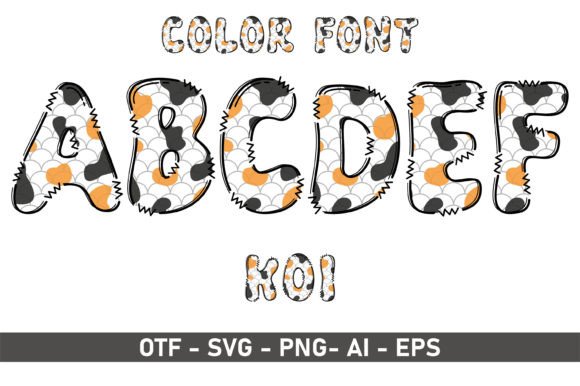
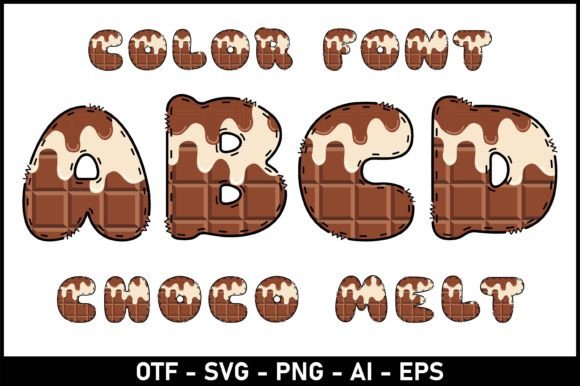
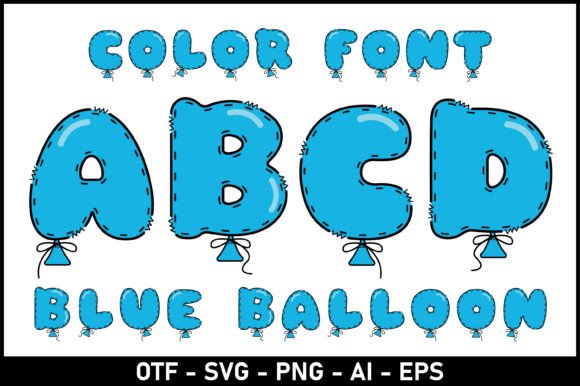
A practical consideration for any designer or crafter is software compatibility. The black version of this font typically works with a wide range of software, including popular cutting machines like Cricut Design Space. However, if you're working with a color version of the font—which can add an extra layer of visual interest—you'll need to check compatibility with specific design programs like Adobe Photoshop, Illustrator, or Inkscape, as color fonts often have different technical requirements.
Licensing for Commercial Projects
If you plan to use the font for commercial purposes—such as on merchandise, in client work, or in digital products for sale—it's essential to review the licensing terms. Most premium fonts come with a commercial license, but it's your responsibility to understand the scope of that license. This ensures your business uses its design assets legally and ethically.
Ultimately, choosing a font like Red Cloth is about making a deliberate choice to inject personality and artistry into your visual communication. It’s a tool for building a stronger brand identity, creating more engaging marketing assets, and designing projects that feel genuinely creative. By thoughtfully applying its strengths and pairing it wisely, you can leverage this typeface to connect with your audience in a more memorable and effective way.