One Night 1: The Retro Color Font That Commands Attention
There’s a particular kind of visual magic in designs that feel both nostalgic and fresh—the kind that stops a social media scroll or makes a book cover leap off a shelf. Achieving that effect often hinges on a single, powerful typographic choice. If your project calls for a bold, retro aesthetic with built-in depth and character, the One Night 1 typeface is a design asset worth exploring. It’s more than just a set of letters; it’s a fully realized visual statement.
Beyond Black and White: Understanding a Color Font
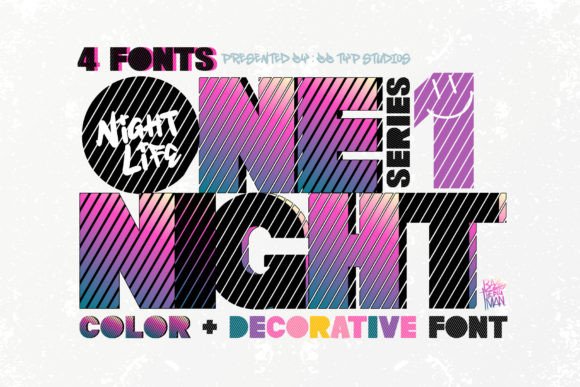
Traditional fonts are monochromatic. A color font like One Night 1 breaks that mold by incorporating color, texture, and pattern directly into the glyph outlines. This means each letter arrives pre-designed with its own retro vibe, eliminating the need for manual coloring or layering effects in your design software. The result is instant visual impact and a significant time-saver during the creative process.
The key distinction, however, lies in its file formats and compatibility. The standard black version of One Night 1 functions like any other OTF or TTF file and is fully compatible with cutting machines like Cricut Design Space. This makes it ideal for physical projects such as T-shirt designs, vinyl decals, and poster prints where a single-color cut is required.
The color version is a different beast. It leverages advanced OpenType features to render its multi-hued design, which means it requires specific design software to work correctly. Programs like Adobe Photoshop, Adobe Illustrator, Silhouette Studio (Designer Edition and above), and Inkscape (with proper settings) can interpret these color layers. It’s crucial to note that the OTF/TTF files of the color version are not compatible with Cricut Design Space. For crafters and designers, understanding this distinction is the first step to using the font effectively without frustration.
Where This Retro Typeface Truly Shines
The personality of One Night 1 is unapologetically retro, evoking mid-century signage, vintage posters, and classic Americana. This makes it a perfect match for specific branding and design contexts where nostalgia and boldness are assets.
- Logo Design & Brand Identity: For a craft brewery, a vintage barber shop, a retro diner, or a clothing brand with a throwback aesthetic, this font can form the cornerstone of a memorable logo. Its inherent style communicates a brand story instantly.
- Packaging Design: Imagine this typeface on a coffee bag, a hot sauce label, or artisanal product packaging. It adds a layer of perceived quality and authenticity, helping a product stand out on crowded shelves.
- Print Materials & Merchandise: From concert posters and event flyers to T-shirt graphics and tote bag designs, One Night 1 delivers that coveted "screen-printed" look without the extra production steps.
- Digital Presence: While not for body text, it’s spectacular for hero section headlines on a website, blog post title graphics, email newsletter headers, and social media posts. A bold statement in this font can dramatically increase engagement and click-through rates.
- Editorial & Invitations: Use it for chapter titles in a book, magazine pull quotes, or the headline on a wedding invitation for a retro-themed celebration. It sets a definitive mood.
The practical benefit here is visual consistency and brand recognition. By using a distinctive premium font like this across multiple touchpoints—from your Instagram graphics to your product hang tags—you create a cohesive visual language that your audience begins to associate with your brand.
Practical Tips for Integration and Pairing
A font this expressive requires thoughtful application. Here’s how to incorporate it successfully into your projects.
Choose the Right Context. One Night 1 is a display font or headline font. Its detailed, textured nature makes it poor for long paragraphs or small text sizes. Use it for short, impactful phrases: a company name, a slogan, a book title, or a call-to-action button. For supporting text, pair it with a clean, highly readable sans serif font or a simple serif font.
Test Your Font Pairings. The goal is contrast and harmony. A good pairing might be One Night 1 for the headline with a geometric sans serif like Montserrat or a classic serif like Playfair Display for subheadings and body copy. Avoid pairing it with other ornate script fonts or handwritten fonts, as this will create visual chaos. Always test your pairings at the intended size to ensure the display font doesn't overwhelm the supporting type.
Leverage Its Styles. Check the font package for all included styles. Often, such fonts come with alternates, ligatures, or stylistic sets that can be accessed through the Glyphs panel in software like Illustrator or Photoshop. These extras allow you to customize the look further and avoid repetitive letter shapes in a headline.
Consider Commercial Licensing. If you're using One Night 1 for a client project, merchandise for sale, or any commercial endeavor, ensure you have the correct commercial font license. The license terms for the purchase will outline permissible uses. This is a non-negotiable step for professional designers and creative entrepreneurs.
Making the Most of a Bold Design Choice
Ultimately, a typeface like One Night 1 is a tool for storytelling. Its retro vibe isn't just decorative; it communicates a feeling of craftsmanship, authenticity, and timeless cool. For a small business owner or content creator, it can be the shortcut to a professional, high-impact visual presentation that resonates with a target audience.
By understanding its technical requirements—especially the color font compatibility—and applying it strategically to headlines and key branding elements, you can harness its full potential. It’s a design asset that, when used wisely, can elevate a project from ordinary to unforgettable, proving that sometimes, the right letterforms do all the talking.