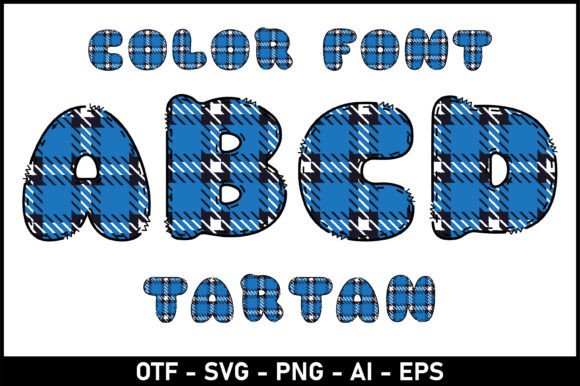
Tartan: A Playful Font for Designs That Pop
You know that feeling when you stumble upon a design that just makes you smile? That instant connection often comes down to typography, and if you're hunting for a typeface that radiates personality without sacrificing clarity, Tartan deserves a spot on your shortlist. This creative font blends whimsy with structure in a way that works beautifully across a surprising range of projects, from children's book covers to boutique packaging and everything in between.
What sets Tartan apart is its ability to walk the line between playful and polished. It doesn't try too hard to be cute, nor does it lean so heavily into artistry that it becomes impractical. Instead, it offers a balanced, approachable aesthetic that designers and small business owners can actually use day to day. Think of it as that versatile friend who looks equally comfortable at a casual brunch and a gallery opening.
Why This Typeface Works for So Many Projects
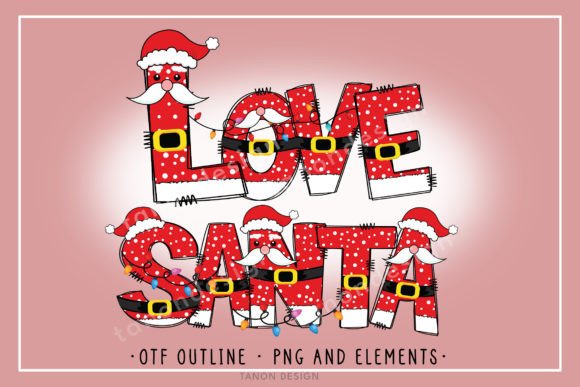
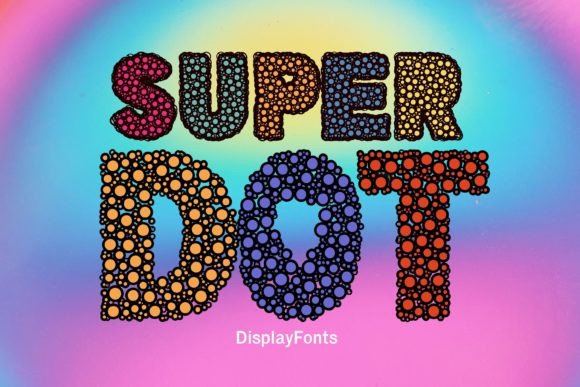
Tartan's visual appeal lies in its thoughtful design details. The letterforms carry a certain warmth and energy that immediately draws the eye, making it a strong candidate for projects where audience engagement matters. Whether you're designing a poster for a local event, crafting social media graphics that need to stop the scroll, or putting together invitation sets for a client's special occasion, this font brings a distinct character that elevates the overall composition.
Here's where things get practical. Tartan isn't just about looking good on screen. It's built to work across multiple formats and platforms, which is exactly what modern creatives need. Consider how often you're jumping between a logo design in Illustrator, a blog header in Canva, and a print layout for a brochure. A font that performs consistently across these touchpoints saves time and keeps your brand identity tight.
- Branding and Logo Design: Tartan's personality makes it ideal for brands that want to feel approachable, creative, or youthful without appearing unprofessional. A children's boutique, a handmade goods shop, or a creative agency could all build a memorable brand identity around this typeface.
- Packaging Design: On shelf or in an unboxing video, distinctive typography helps products stand out. Tartan adds character to labels, boxes, and tags, especially for artisan or specialty items.
- Editorial Layouts and Print Materials: Whether it's a magazine spread, a flyer, or a greeting card, this font injects energy into flat layouts and keeps readers engaged with the content.
- Digital Products and Marketing Assets: From e-book covers to email headers to lead magnet designs, Tartan helps digital products look polished and intentional, which builds trust with your audience.
- Merchandise and Invitations: Custom t-shirts, tote bags, wedding invitations, party stationery—these are the kinds of projects where a creative font like Tartan truly shines and adds a personal touch.
Matching Typography to Your Project Goals
Choosing the right font isn't just about picking something that looks nice in a preview. It's about aligning the typeface with the message you're trying to send and the audience you're trying to reach. Tartan works exceptionally well for projects that need to convey a sense of fun, creativity, or warmth, but context matters. A whimsical children's book cover calls for a different energy than a corporate annual report, and understanding that distinction is what separates good design from great design.
One of the most valuable things you can do before committing to any premium font is test it in the actual context where it will live. Drop Tartan into your website mockup. See how it looks at different sizes on mobile versus desktop. Print a sample of your invitation design on the actual paper stock you plan to use. Check how the letterforms hold up when scaled down for a business card versus blown up for a poster. These real-world tests reveal things that a font specimen sheet simply cannot.
Font pairing is another area where thoughtful experimentation pays off. Tartan has enough personality to serve as a headline or display font, but pairing it with a clean sans serif font for body text creates a nice contrast that keeps designs readable. If you're working on a branding project, try combining Tartan with a simple, modern typeface for secondary text elements. The interplay between a playful display font and a straightforward body font creates visual hierarchy that guides the reader's eye naturally through your design.
Practical Considerations Before You Start Designing
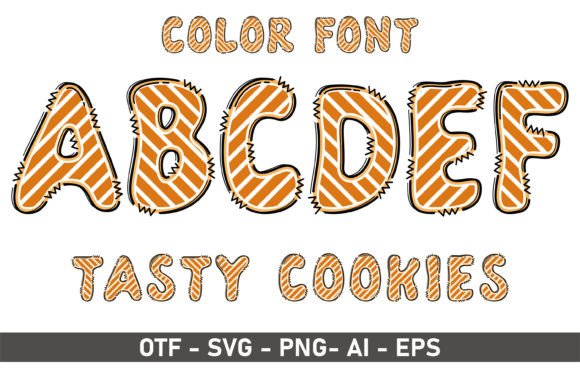
Before diving into any project, it's worth reviewing what's included with the font package and understanding the compatibility requirements. Tartan comes in different versions, and knowing which one fits your workflow prevents headaches down the road. The black version works seamlessly with Cricut Design Space and other cutting machines, which is great news for crafters and small business owners who create physical products like decals, iron-on transfers, and custom signage.
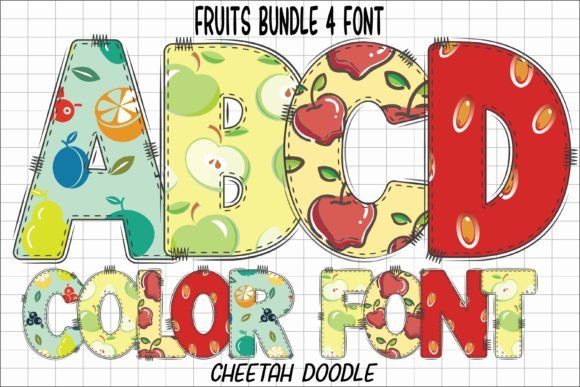
The color version of the font, however, has different compatibility requirements. It works with design programs like Photoshop, Illustrator, Silhouette, and Inkscape, but the OTF and TTF files for the color version are not compatible with Cricut. If you're planning to use the color version, make sure your design software supports it before purchasing. Checking a comprehensive font guide beforehand can save you from discovering compatibility issues mid-project, which is never a fun experience.
Readability should always be a priority, especially when your design needs to communicate information quickly. While Tartan's artistic flair makes it a standout choice for headlines and display text, consider how it performs at smaller sizes. For body copy or dense paragraphs, you'll likely want to pair it with a more traditional serif or sans serif font that prioritizes legibility over personality. The goal is to use Tartan where it makes the strongest impact—headers, titles, callouts, logos, and accent text—while letting a complementary typeface handle the heavy lifting for longer passages.
Building a Cohesive Visual Identity
One of the biggest advantages of investing in a well-crafted creative font is the consistency it brings to your visual communication. When you use the same typeface across your website, social media graphics, packaging, and print materials, you create a thread that ties everything together. Customers start to recognize your brand before they even read the words, and that kind of recognition is invaluable for small businesses and entrepreneurs competing for attention in crowded markets.
Think about how major brands use typography as a cornerstone of their identity. You don't need a massive budget to apply the same principle. By selecting a distinctive typeface like Tartan and using it consistently across your design assets, you're building brand equity with every piece of content you publish. A blog post header, an Instagram story, a product label, and a thank-you card in your customer's package all reinforce the same visual identity when they share the same typographic DNA.
For content creators and marketers, this consistency also speeds up production. When you've already established your font choices and pairing guidelines, you spend less time deliberating over design decisions and more time actually creating. Set up templates in your preferred design program with Tartan already placed for headers and your complementary font ready for body text. This kind of preparation turns typography from a recurring decision into a reliable system, which is especially helpful when you're producing content at scale.
Ultimately, the best typography choices are the ones that serve your specific goals. Whether you're a designer building out a client's brand identity, a small business owner creating packaging for a new product line, or a hobbyist putting together party invitations for a loved one, the fonts you choose shape how people perceive and interact with your work. Tartan offers a genuinely useful combination of personality and versatility, and when used thoughtfully, it has the power to make your designs feel more alive, more intentional, and more memorable to the people who see them.