Line Pop Art: A Stripe Pattern Font for Modern Designers
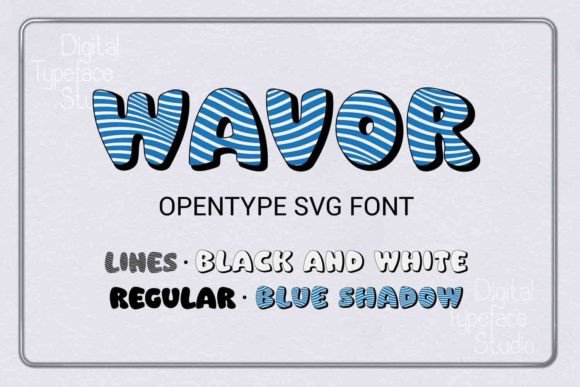
There are moments in design when you need something that's both bold and sophisticated—visually striking without being overwhelming. You're searching for a typeface that carries personality, one that doesn't just spell out words but actually communicates a mood. That's where Line Pop Art enters the conversation. This isn't your everyday font. It's a color font built on a distinctive stripe pattern, offering a fresh take on display typography that feels contemporary, artistic, and undeniably cool.
If you've been scrolling through font libraries looking for something that breaks away from the ordinary, this one deserves a closer look. The striped texture creates depth and movement in each letterform, giving your text an almost tactile quality. It's the kind of design element that makes people pause mid-scroll, which is exactly what you want when you're trying to capture attention in a crowded visual landscape.
What Makes a Stripe Pattern Font Stand Out
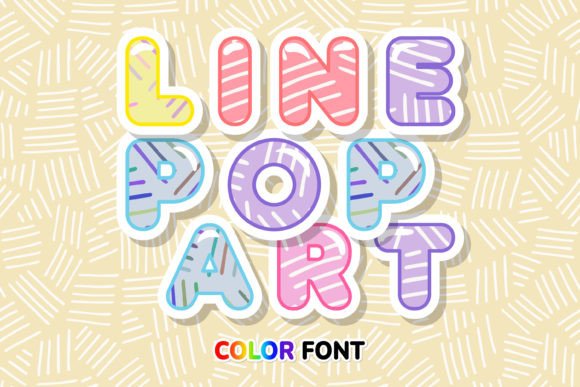
The appeal of Line Pop Art lies in its ability to merge minimalism with visual impact. Stripe patterns have long been a staple in art, fashion, and graphic design—they suggest rhythm, direction, and energy. When applied to letterforms, these horizontal or vertical lines transform ordinary text into a design feature. Each character carries its own texture, which means even a single word becomes a piece of visual art.
This particular typeface uses the OpenType-SVG format, which allows the embedded stripe pattern to render beautifully across supported applications. The color integration means you get the full effect right out of the box, though customization is always an option depending on your workflow. It's worth noting that this format works seamlessly in PhotoShop, Illustrator, Silhouette, and Inkscape, making it accessible for a wide range of creative professionals and hobbyists alike.
For anyone working in branding or logo design, a font like this offers something rare: instant distinctiveness. Think about how many logos rely on the same handful of popular typefaces. When you choose a creative font with a built-in visual texture, your brand identity gets an extra layer of personality before you even start designing the surrounding elements.
Where This Display Font Truly Shines
Let's talk practical applications, because a font is only as valuable as the projects it elevates. Line Pop Art works exceptionally well as a display typeface—meaning it's designed for larger sizes where its intricate stripe detail can be fully appreciated. Here's where it tends to make the strongest impression:
- Packaging design – Products sitting on shelves need to communicate brand personality in seconds. A stripe-patterned headline on a box, label, or bag immediately signals creativity and attention to detail.
- Social media graphics – Instagram posts, Pinterest pins, and Facebook covers all benefit from typography that stands apart. This font gives your text a handcrafted, artistic quality that generic sans serif fonts simply can't replicate.
- Poster and editorial layouts – Magazine covers, event posters, and zine spreads thrive on bold typographic choices. The visual texture of Line Pop Art adds dimension without requiring additional graphic elements.
- Website headers and blogs – While body text should remain clean and readable, headline fonts are where you can let personality shine. A stripe pattern font in a hero section immediately sets a creative tone.
- Merchandise and print materials – Tote bags, t-shirts, mugs, and business cards all benefit from typography that doubles as a design element. The stripe pattern translates well across physical products.
- Invitations and digital products – Wedding invitations, event flyers, downloadable planners, and e-book covers can all leverage this font's artistic flair to feel more premium and intentional.
The versatility here is genuinely impressive. Whether you're a small business owner designing your own marketing assets or a freelance designer working on client projects, having a premium font like this in your toolkit opens up creative possibilities that standard typefaces simply don't offer.
Pairing and Practical Considerations
One of the most common questions designers have about decorative or display fonts is how to pair them effectively. The good news is that Line Pop Art's stripe pattern, while visually complex, maintains a clean geometric structure. This makes it surprisingly adaptable when paired with simpler typefaces.
For body text, consider matching it with a clean sans serif font—something like a modern grotesque or geometric sans that won't compete for attention. If your project leans more editorial or traditional, a classic serif font can create an interesting contrast between the textured headline and the refined body copy. The key is balance: let Line Pop Art be the star of the show while supporting typography does the heavy lifting for readability.
Speaking of readability, it's important to be thoughtful about context. This is a display typeface, which means it's engineered for headlines, titles, and short bursts of text rather than lengthy paragraphs. Using it at smaller sizes or for dense copy would diminish its impact and potentially compromise legibility. Stick to larger applications where the stripe detail can breathe, and you'll get the best results every time.
Before committing to any font for a project, always test it in your actual design environment. Mock up a few variations. See how it looks at different sizes, against different backgrounds, and in different color combinations. The stripe pattern interacts with surrounding colors in interesting ways, so experimenting with contrast will help you find the sweet spot.
Licensing, Compatibility, and Getting Started
If you're considering Line Pop Art for commercial work—client projects, products for sale, branded materials—it's essential to understand the licensing terms. Many premium fonts come with specific usage rights that dictate how and where the font can be deployed. Always review the license agreement before incorporating any typeface into a commercial project. This protects both you and the font designer, and it ensures your brand assets remain legally sound.
Compatibility is another practical factor worth addressing. As a color font in the OpenType-SVG format, Line Pop Art works beautifully in modern design software. PhotoShop and Illustrator handle it natively, and crafters using Silhouette or Inkscape will find it integrates smoothly into their workflows. However, it's important to remember that the OTF and TTF files are not compatible with Cricut machines. If you're a crafter who relies on Cricut for cutting projects, this is a detail worth considering before purchasing. For a deeper understanding of how color fonts work across different platforms, checking out a comprehensive font guide can save you time and frustration down the road.
Once you've confirmed compatibility, getting started is straightforward. Install the font files, open your design application, and begin experimenting. Try it on a mock branding project, a social media template, or a packaging concept. You'll quickly get a sense of how the stripe pattern interacts with your design style and whether it aligns with the visual direction you're pursuing.
Building a Stronger Visual Identity
Typography is one of the most powerful tools in visual communication, yet it's often overlooked by those outside the design profession. The fonts you choose send immediate signals about your brand's personality, values, and level of professionalism. A well-chosen display font like Line Pop Art doesn't just look good—it helps establish recognition, build trust, and create emotional connections with your audience.
Think about the brands you admire. Chances are, their typography plays a significant role in how you perceive them. The same principle applies whether you're building a personal brand, launching a product, or creating content for an audience. Every visual choice contributes to the larger story you're telling.
Line Pop Art offers something that's increasingly rare in the world of digital typography: genuine character. Its stripe pattern gives it a handcrafted, artistic sensibility that feels human and intentional. In a landscape saturated with algorithmic designs and template-driven aesthetics, that kind of authenticity resonates. It tells your audience that you care about the details, that you've put thought into how your work looks and feels.
For designers, marketers, entrepreneurs, and creators who want their projects to stand apart, investing in distinctive design assets like this font is a practical decision with lasting returns. It's not about following trends—it's about finding tools that help you communicate more effectively and more beautifully. And sometimes, all it takes is the right typeface to transform a good design into something truly memorable.