Channeling 70s Cool: The Groovy Hippie Font in Modern Design
There’s a reason the aesthetics of the late 1960s and early 70s keep resurfacing in contemporary design. It’s not just nostalgia; it’s the warmth, the optimism, and the unapologetic expression of personality that the era championed. If you’re looking to inject that specific brand of retro joy into your creative work, typography is often the most effective starting point. Enter Groovy Hippie, a typeface that doesn’t just sit on the page—it dances. It captures the essence of the psychedelic era with its vibrant, rounded letterforms and playful energy, offering a distinct alternative to the sterile, geometric sans-serifs that dominate modern digital spaces.
Visual Characteristics That Pop
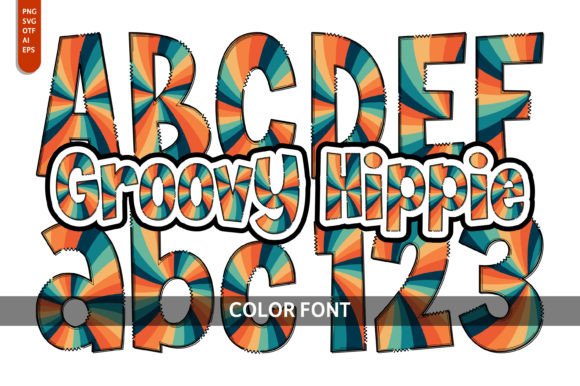
At first glance, Groovy Hippie is impossible to ignore. It is a premium font that leans heavily into the "fat" or "bubble" letter aesthetic that was iconic in vintage posters and album covers. The letters are bold and substantial, featuring soft, rounded corners that make the text feel approachable and friendly rather than aggressive. This isn't a thin, whispering script font; it’s a display font designed to be the loudest voice in the room.
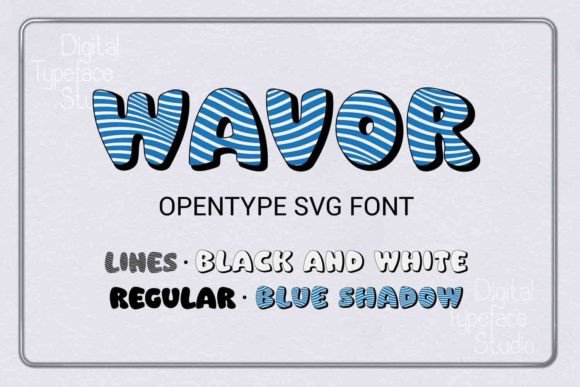
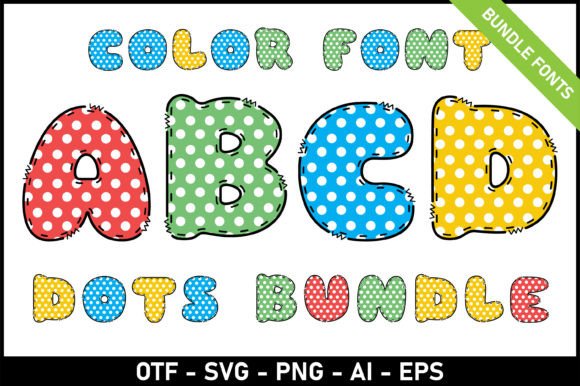
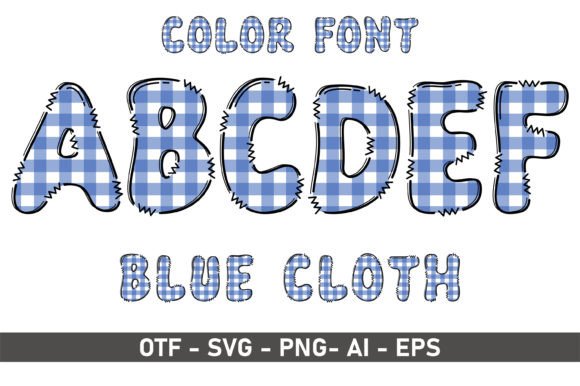
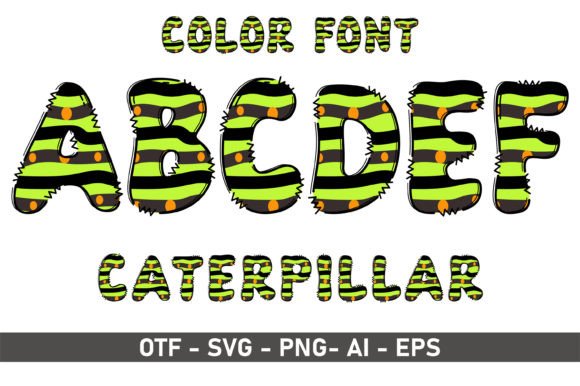
What makes it particularly interesting is the potential for customization. While the base structure provides a strong silhouette, the character of this typeface shines when used with color. Because of its thick strokes and ample counter-space (the holes inside letters like 'o' or 'e'), it invites fills, gradients, and patterns. Imagine these letters filled with rainbow gradients or tie-dye textures. That is where the "hippie" vibe truly comes alive. It moves beyond being just a creative font to becoming a visual asset that defines the mood of the entire project.
From Branding to Merchandise: Practical Applications
As a designer or business owner, you might wonder if a novelty font has a place in professional work. The answer lies in context and intent. Groovy Hippie isn't the right choice for a legal disclaimer or a medical report, but for specific applications, it is a powerhouse for engagement.
Logo Design and Brand Identity: If you are launching a brand that values sustainability, wellness, artisanal goods, or music, this font can serve as the cornerstone of your visual identity. A coffee roaster specializing in organic blends or a boutique selling handmade candles could use this typeface to immediately signal a laid-back, authentic vibe. It tells the customer, "We are approachable and we care about the good things in life."
Packaging Design: In the crowded aisles of a grocery store or the endless scroll of an e-commerce site, packaging needs to stop the viewer. Using Groovy Hippie for the product name on a label—think granola bars, herbal teas, or festival apparel—creates an immediate focal point. It suggests the product inside is fun and enjoyable.
Social Media and Digital Content: The digital landscape is hungry for thumb-stopping content. This font is perfect for Instagram stories, Reels covers, or YouTube thumbnails. Its high legibility at large sizes makes it ideal for headers that need to convey a message quickly. If you are a content creator hosting a "throwback" playlist or a blogger writing about vintage fashion, incorporating this font into your graphics creates instant thematic cohesion.
Print Materials and Events: Think about the last time you received a generic invitation. It probably didn't spark much excitement. Now imagine an invitation to a garden party, a music festival, or a retro-themed wedding set in Groovy Hippie. The typography sets the expectation for the event before the guest even reads the details. It works equally well for posters, flyers, and merchandise like t-shirts or tote bags.
Strategic Typography: Balancing Flair with Function
While Groovy Hippie is visually striking, using a display font effectively requires a bit of strategy. You want to capture the retro aesthetic without sacrificing readability or overwhelming your audience. Here is how to approach it practically.
The Power of Pairing: Rarely should a decorative font stand alone for all text. The secret to professional typography is contrast. Because Groovy Hippie is round, bold, and full of personality, it pairs beautifully with cleaner, more neutral typefaces. Consider matching it with a simple sans-serif font for body text. A clean geometric sans-serif or even a traditional serif font can ground the whimsy of the hippie font, ensuring that your message remains clear and readable. This balance is key to modern typography; it allows the headline to attract attention while the body copy delivers the information comfortably.
Hierarchy and Hierarchy: Use this typeface exclusively for headlines, sub-headers, or short call-to-action phrases. Its visual weight is too heavy for long paragraphs of text. If you use it for an entire blog post, you will likely induce eye strain. Instead, let it act as the "shout" and use a standard web font for the "conversation."
Context is King: Always review the context of your project. If you are designing for a corporate law firm, this is the wrong tool. However, if you are designing for a yoga studio, a record store, or a summer camp, it is arguably the perfect tool. The font should always align with the emotional tone of the brand.
Navigating Licensing and Usage
When incorporating a creative font like this into your workflow, it is vital to understand the licensing. Most high-quality typefaces, including Groovy Hippie, come with specific licensing tiers. A personal license usually covers projects for your own use, like a birthday card for a friend. However, if you are a small business owner putting this font on your product packaging, a t-shirt you sell, or a client’s website, you will likely need a commercial license.
Always check the terms provided by the foundry or marketplace where you purchase the font. Ensure that the license covers the specific medium you intend to use (e.g., print vs. digital, or number of impressions/views). Respecting licensing not only keeps you legally safe but supports the independent type designers who create these unique assets.
Ultimately, Groovy Hippie is more than just a collection of glyphs; it is a design asset that brings history, warmth, and character to the table. By using it thoughtfully, you can bridge the gap between the free-spirited creativity of the past and the polished demands of modern visual communication. It’s about finding the right balance where your typography does more than just convey words—it conveys a feeling.