Graffiti Art: Transforming Typography with Urban Edge
There’s an unmistakable energy to a well-executed piece of street art—the way a bold, stylized lettering can command a wall, tell a story, and pulse with raw, creative force. That same vibrant, rebellious spirit is now captured in a typeface designed to bring that urban masterpiece aesthetic directly into your digital toolkit. It’s more than just a font; it’s a visual language that infuses designs with the lively character of street walls and captivating color gradients, allowing you to turn ordinary words into striking visual statements.
A Typeface with Street Credibility
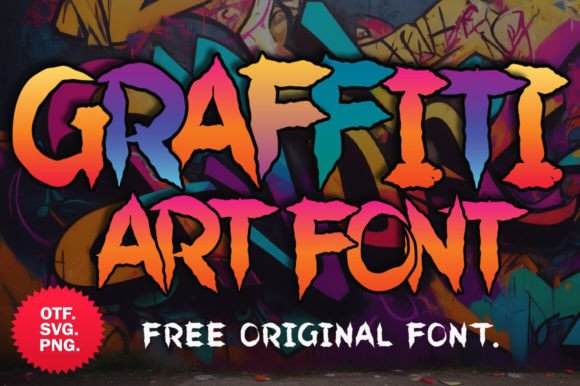
This particular display font is engineered for impact. Its characters are built with the dynamic flow and layered dimension you’d find on a spray-painted mural, often featuring built-in color gradients and textured details that mimic the look of ink on concrete. The visual appeal lies in its authenticity—it doesn’t just suggest an urban vibe; it delivers one. The letters feel handcrafted, energetic, and intentionally imperfect, which gives them a human touch that sterile, geometric fonts often lack. For designers and creators, this means injecting instant personality and attitude into a project. It’s a creative font that speaks volumes before the viewer even reads the word, making it a powerful asset for anyone looking to break away from generic typography.
Practical Applications for Modern Creators
The true value of a font like this is measured by its versatility across real-world projects. Its bold, attention-grabbing nature makes it exceptionally well-suited for applications where first impressions and brand recognition are critical.
Consider its role in brand identity and logo design. A startup targeting a youthful, urban, or creative demographic can use this typeface to craft a logo that feels immediate and culturally relevant. It sets a definitive tone, suggesting the brand is bold, innovative, and unafraid to stand out. Similarly, for packaging design, especially for products like streetwear, craft beverages, or artisanal snacks, it can help products leap off the shelf by conveying a sense of authenticity and cool.
In the digital realm, it’s a game-changer for social media graphics. A bold header in this style can stop the scroll, making Instagram posts, YouTube thumbnails, or TikTok overlays far more engaging. For web design, it can be used strategically for hero sections, promotional banners, or call-to-action buttons to create focal points that guide the user’s eye. Bloggers and content creators can use it to design compelling featured images or infographic headers that increase shareability and visual interest.
Its applications extend seamlessly into print. Event posters for concerts, gallery openings, or urban markets will radiate energy. Editorial layouts for magazines or lookbooks can use it for pull quotes and section headers to add a layer of contemporary flair. It’s also perfect for merchandise like t-shirts, tote bags, and stickers, where the typography itself becomes the primary design element. Even invitations for a themed party or a product launch can benefit from its unique character, setting a memorable tone from the start.
Pairing and Professional Considerations
Using a high-impact display font effectively requires a bit of strategy. Its strength is in headlines and short bursts of text; using it for long paragraphs would sacrifice readability. The key is to pair it wisely. Combine it with a clean, neutral sans-serif font for body copy. This creates a pleasing contrast that allows the graffiti-style letters to shine without overwhelming the viewer. For instance, pairing it with a simple geometric sans-serif for product descriptions or blog text creates a balanced, professional presentation that is both edgy and easy to read.
Always test your font pairings in the context of your actual project. How does the headline look above a photograph? Is the text still legible when scaled down on a mobile screen? This practical testing is what separates a good idea from a polished, professional final product. Remember, the goal is to enhance engagement, not hinder it.
Understanding Your Design Assets
When investing in a premium font, understanding its technical specifications is crucial for a smooth workflow. This typeface typically comes in different versions. The standard black version is widely compatible, including with popular cutting machines like Cricut, making it a fantastic tool for crafters creating custom decals, apparel, or home decor.
However, the full-color version, with its vibrant gradients and textures, has more specific requirements. It’s designed as a color font and functions best in advanced design programs like Adobe Photoshop, Illustrator, Silhouette Studio, and Inkscape. It’s important to note that these richly colored OTF/TTF files are not compatible with Cricut Design Space. This distinction is vital for planning your project’s production pipeline, especially if you’re moving from screen design to physical output.
Before purchasing any commercial font, always review the licensing. Ensure the license covers your intended use, whether it’s for client projects, merchandise for sale, or digital products. A clear commercial license provides peace of mind and protects your work, allowing you to use this creative asset confidently across all your branding and marketing materials.
In the end, choosing a typeface is about finding a voice for your visual message. A font inspired by graffiti art offers a distinct, loud, and confident voice. It’s for the designer who wants to evoke a sense of place, the entrepreneur who wants to build a brand with soul, and the creator who believes that even the simplest word can be a work of art. By applying it thoughtfully and pairing it with complementary design elements, you can harness its urban energy to create work that doesn’t just communicate—it resonates.