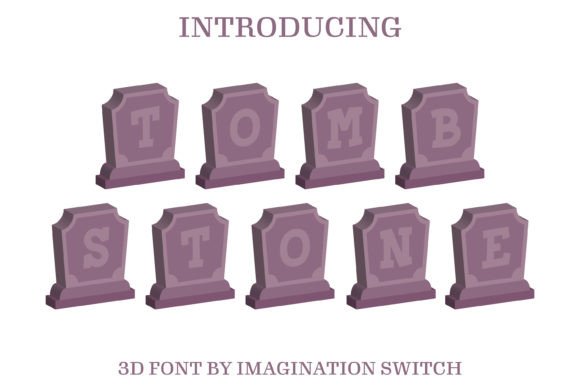
Exploring the Bold Dimension of Tombstone 3d Typography
There is a specific moment in the design process where a flat concept needs to jump off the page. It is that instant where you realize standard two-dimensional text simply isn't capturing the weight or the drama of your message. This is where the conversation turns to typographic depth, and why a style like Tombstone 3d is generating so much interest among creative professionals. It is not merely about adding a shadow to a letter; it is about rethinking how text interacts with the space it occupies. Whether you are a brand strategist trying to anchor a visual identity or a hobbyist looking to make a scrapbook cover pop, the shift toward dimensional typography offers a tangible way to capture attention in a crowded visual landscape.
The Psychology of Dimensional Design
Why does a font with depth work so well? It comes down to human perception. We live in a three-dimensional world, so when we see typography that mimics depth—through bevels, shadows, or extruded effects—our brains process it differently than flat text. It feels more "real," more tactile. Tombstone 3d capitalizes on this by offering a style that feels grounded and substantial. It suggests permanence and solidity, which is why it works exceptionally well for projects that need to convey authority or durability.
However, the visual appeal goes beyond just the "3d" aspect. The specific character set of this typeface matters. It is designed with a complete range of uppercase, lowercase, and numbers, ensuring that you aren't stuck trying to mix and match styles when you run out of glyphs. For a small business owner designing their own menu or a marketer creating a header image, having a cohesive character set prevents the "patchwork" look that can undermine professionalism.
Matching Typography to Project Goals
One of the most common mistakes in design is choosing a font because it looks "cool" in isolation, rather than how it serves the project's goal. Tombstone 3d is a distinct visual asset, but it requires context. Because it carries such a strong visual weight, it is rarely the right choice for body text. Imagine reading a 500-word blog post entirely in a heavy, extruded display font; it would be exhausting.
Instead, think of this font as your headline specialist. It is the tool you reach for when you need to make a singular statement. Consider these practical applications where the font shines:
- Logo Design: If you are launching a brand that needs to feel established and robust, this typeface can anchor a logo. It works particularly well for construction companies, security firms, vintage-themed brands, or even gaming channels.
- Packaging Design: On a shelf, products have roughly three seconds to catch a shopper's eye. A dimensional font on the front label creates a focal point that standard sans-serif fonts often miss.
- Poster and Event Flyers: For concerts, sales events, or community gatherings, you need headlines that scream "look at me." The depth of the lettering adds a layer of excitement that flat text lacks.
Practical Application: From Screen to Print
As a designer or content creator, you are likely working across multiple mediums. You might be designing an Instagram story one minute and laying out a printed brochure the next. The versatility of a premium font lies in how well it translates across these different resolutions.
When using Tombstone 3d for web design, keep in mind that heavy fonts can sometimes impact load times if not handled correctly. However, for static headers or hero images, they provide an incredible "wow" factor. On social media, where the feed moves quickly, a bold, three-dimensional headline can stop the scroll. It gives your content a professional polish that suggests you invested time and resources into the visual presentation.
In print, the effect is even more pronounced. The texture of the paper combined with the visual depth of the font creates a sensory experience. Think about high-end packaging design or invitations. When someone holds a card with embossed-looking typography, it feels luxurious. Even if you are printing on standard cardstock, a well-designed 3d font can mimic the look of embossing or foil stamping without the expensive production costs.
Navigating Font Pairings and Hierarchy
Because Tombstone 3d is a display font with high impact, it demands a complementary partner. You cannot pair two loud fonts together; they will fight for attention. The rule of contrast applies here.
If your headline uses the dimensional weight of Tombstone, your body copy should be something clean and highly legible. A simple sans serif font or a clean serif font usually works best. The goal is to let the headline do the heavy lifting while the body text provides the details in an easy-to-read format.
Here is a quick guide to testing your pairings:
- The "Squint" Test: Step back from your screen and squint. Does the hierarchy hold up? Can you immediately tell what is the title and what is the information?
- Scale Variance: Don't be afraid to make the Tombstone 3d text significantly larger than the body text. Dimensional fonts often have tight spacing or intricate details that get lost if they are too small.
- Color Contrast: Since this font style has depth, be mindful of color. High-contrast colors (like white text on a dark background) can enhance the 3d effect, but ensure the "shadow" part of the font doesn't blend into the background color.
Commercial Use and Licensing Considerations
For the entrepreneur or small business owner, the aesthetic is only half the battle. The legal side of design assets is crucial. When investing in a creative font like this, you must understand the licensing.
Most professional fonts come with specific terms. A "desktop license" usually covers creating images or logos where the font is converted to outlines (shapes). However, if you are creating a digital product—like a PDF template that you sell to others—you often need an "ebook" or "digital product" license. If you are using it for a website, you might need a "webfont" license.
Always review the specific terms provided by the designer. Using a commercial font without the correct license can lead to legal headaches down the road. It is an investment in your brand's security. Furthermore, knowing that you have the rights to the full character set (uppercase, lowercase, numbers) means you can use the font freely across all your marketing assets without restriction.
Elevating Your Visual Storytelling
Ultimately, typography is about communication. The font you choose tells a story before the reader even processes the words. Tombstone 3d tells a story of boldness, presence, and creativity. It is a tool for brand recognition. When your audience sees that distinct, dimensional style repeatedly, they begin to associate it with your brand identity.
Whether you are designing a header for a tech blog, creating a logo for a startup, or crafting a poster for a local event, don't underestimate the power of dimension. It adds a layer of sophistication and intentionality to your work. By combining the right modern typography with a solid understanding of hierarchy and licensing, you can transform a standard project into something memorable. It is about giving your message the stage it deserves, ensuring that when people see it, they don't just read it—they feel it.