Why Lavender Is the Playful Font Your Brand Needs
There’s a certain feeling you get when you see a design that just clicks. It’s not always about the colors or the images, but often about the typography that ties everything together. For many designers and creative entrepreneurs, finding that perfect typeface feels like discovering a secret weapon. One such font that has been quietly winning hearts is Lavender, a typeface that brings a unique blend of whimsy and clarity to the table. It’s the kind of font that doesn’t just sit on a page; it speaks, often with a friendly, artistic whisper that draws people in.
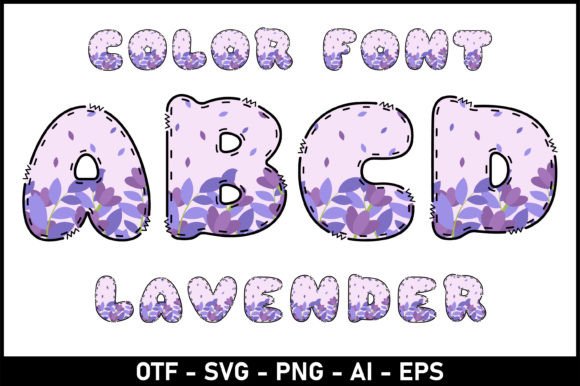
Lavender is a premium font that falls into the category of a display or script typeface, but with a distinct personality. Unlike overly formal or rigid fonts, it has a handwritten quality that feels organic and approachable. Its letters are crafted with a gentle flow, featuring soft curves and a slightly uneven baseline that mimics natural handwriting. This gives it an authentic, human touch that digital designs sometimes lack. The visual appeal lies in its ability to be both playful and legible—a rare combination. It’s colorful in spirit, meaning it can add vibrancy to a layout without overwhelming other design elements. This makes it an excellent choice for projects where you want to convey creativity, warmth, and a sense of fun.
Practical Applications for Creative Projects
So, where does a font like Lavender truly shine? Its versatility might surprise you. While it’s perfect for children’s books—creating an engaging, easy-to-read experience for young audiences—its applications stretch far beyond that. Think about branding for a small bakery, a boutique craft store, or a handmade soap business. Lavender can instantly give a logo or brand identity a personal, artisanal feel. It tells customers there’s a real person behind the product, someone who cares about details and quality. For packaging design, using Lavender on labels or boxes can make a product stand out on a shelf, inviting customers to pick it up and take a closer look.
In the digital space, this font is a powerhouse for social media graphics and blog headers. Imagine a Instagram post for a local florist or a Pinterest pin for a DIY tutorial. Lavender adds that eye-catching, artistic flair that stops the scroll. It works beautifully for quotes, announcements, or any text that needs to feel special. On websites, it’s best used for headlines or key phrases rather than long paragraphs, where its decorative nature can shine without hindering readability. For entrepreneurs selling digital products—like printable planners, invitation templates, or art prints—Lavender can be a core design asset, helping to create a cohesive and professional product line that feels premium and thoughtfully designed.
How Lavender Enhances Your Design Goals
Choosing a font is a strategic decision that impacts how your audience perceives your work. Lavender helps improve several key aspects of visual communication. First, it boosts visual consistency. When you use a distinctive font like Lavender across your materials—from your website to your business cards to your social media—you create a recognizable thread that ties your brand together. This consistency is foundational for brand recognition. People start to associate that friendly, creative lettering with your business.
Second, despite its decorative style, Lavender is designed with readability in mind. This is crucial. A font can be beautiful, but if people can’t easily read your message, it fails. Lavender strikes a balance, making it suitable for headlines and short bursts of text where clarity is still important. This careful balance contributes to a professional presentation. It shows you’ve put thought into your design choices, which builds trust. Finally, the right font directly influences audience engagement. A playful, inviting typeface like Lavender can make your content feel more accessible and enjoyable, encouraging people to linger longer and interact with your message.
Tips for Using This Creative Font Effectively
Integrating a character-rich font like Lavender into your work requires a bit of thought to get the best results. Here’s some practical advice from a designer’s perspective.
- Choose the Right Style: Many premium fonts come with different weights or styles (like bold, light, or italic). Review what’s included with Lavender. Maybe a slightly bolder version works better for a poster, while the regular style is perfect for an invitation. Test them out.
- Match Typography to Project Goals: Ask yourself, “What feeling do I want this project to evoke?” Lavender is ideal for goals like being approachable, whimsical, or artisanal. If your project calls for stark minimalism or serious authority, it might not be the best fit. Context is everything.
- Test Font Pairings: Lavender pairs wonderfully with clean, simple sans-serif fonts. Think of using Lavender for the main headline and a font like Montserrat or Open Sans for the body text. This creates a beautiful contrast that is both dynamic and easy to read. Avoid pairing it with other highly decorative fonts, as that can create visual chaos.
- Mind the Readability: As mentioned, use Lavender strategically. It’s fantastic for titles, logos, and pull quotes. For long blocks of text, like a blog post or product description, stick to a more traditional serif or sans-serif font for the body. Lavender can then be used to highlight key sections or subheadings.
- Consider Commercial Licensing: If you’re using Lavender for client work or selling products that feature the font, ensure you have the correct commercial license. This is a non-negotiable part of professional practice and protects both you and the font creator.
In the end, a typeface like Lavender is more than just a collection of letters; it’s a tool for storytelling. It allows you to infuse your projects with personality and connect with your audience on a more emotional level. Whether you’re designing a logo for a new startup, crafting social media content for a blog, or creating a line of greeting cards, having a font that feels both artistic and functional can make all the difference. It’s about finding that piece of design magic that feels uniquely yours, and for many, Lavender is exactly that.