Why Cute Gingerbread is Your Next Favorite Design Asset
There’s a specific feeling you get when you see a typeface that just clicks. It’s not just about legibility or style; it’s about personality. You know the one—it’s that font that makes a holiday card feel instantly cozier or a bakery logo look good enough to eat. In a sea of minimalist sans-serifs and elegant serifs, sometimes a project calls for something with more warmth, more character, and a whole lot more charm. That’s where a playful, textured font like Cute Gingerbread enters the picture, offering a solution for designs that need to feel handmade, inviting, and full of personality.
The Visual Appeal of a Handcrafted Typeface
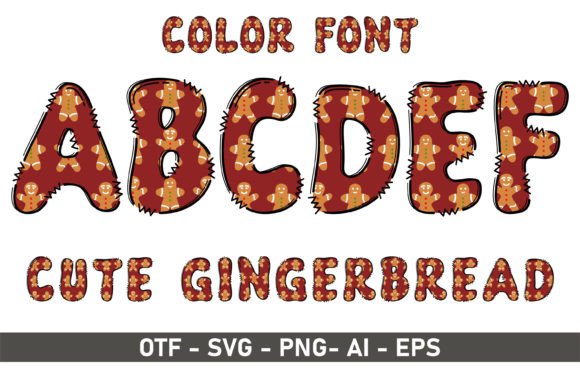
What makes a font like this stand out? It’s all in the details. This particular typeface captures the essence of hand-decorated gingerbread, with its slightly uneven edges, whimsical curves, and a tactile quality that feels pulled straight from a craft table. It’s not just a script font; it’s a display font with a story. The visual texture adds depth, making flat designs feel layered and interesting. This is the kind of creative font that works beautifully in contexts where you want to evoke nostalgia, creativity, and a personal touch. It’s a premium font that brings a distinct aesthetic to the table, perfect for projects targeting families, crafters, or anyone with a sweet tooth for good design.
For designers and small business owners, the value lies in its ability to set an immediate tone. A children’s book cover, a party invitation, or a social media graphic for a home baker can be transformed with this single design asset. It does the heavy lifting of establishing a playful, artistic vibe without needing a dozen other elements. This is modern typography with a vintage soul, bridging the gap between digital design and the handmade feel so many audiences crave.
Practical Applications: From Branding to Birthday Banners
The real test of any commercial font is its versatility. Where can you actually use a typeface with this much personality? The answer is surprisingly broad. Think beyond the obvious. Yes, it’s perfect for holiday-themed projects, but its charm isn’t limited to December.
- Brand Identity & Logo Design: For a niche business—a cupcake shop, a children’s boutique, a craft supply store, or a family-focused blog—a logo set in this typeface immediately communicates warmth and approachability. It becomes a cornerstone of the brand’s visual identity.
- Packaging Design: Imagine this font on the label of artisanal jams, handmade soaps, or specialty cookies. It suggests care, quality, and a homemade touch that can justify a premium price point.
- Editorial & Print Materials: Use it for headlines in a magazine spread about family recipes, or as the title font for a DIY project poster. It draws the eye and sets a creative, engaging tone for the entire layout.
- Digital Products & Marketing: This is where the font truly shines. Use it for e-book covers, social media graphics for Instagram or Pinterest, email newsletter headers, or website banners for a seasonal sale. It’s an excellent tool for boosting audience engagement through visual appeal.
- Invitations & Greeting Cards: From birthday party invites to thank-you cards, the font adds a personal, celebratory feel that standard fonts can’t match.
Smart Typography: Pairing and Practicality
Using a bold, character-rich font like this requires a bit of strategy to maintain readability and professional presentation. The golden rule? Let it be the star. This is not a body text font. Its strength is in headlines, logos, and short, impactful phrases.
A crucial step is testing font pairings. Pair it with a simple, clean sans-serif or a legible serif for body copy. For example, a rounded sans-serif can complement its whimsy, while a classic serif can provide a sophisticated contrast. This contrast ensures your main message is easy to read while the display font delivers the personality. Always test your pairings in context—see how they look on a mockup of your website, in a social media post template, or on a sample product label.
Another critical consideration is compatibility, especially for crafters and designers using cutting machines. The black version of this font family is designed to work seamlessly with popular software like Cricut Design Space, making it ideal for physical projects like vinyl decals, heat transfers, and paper crafts. However, the color version—which might feature multi-tonal, textured effects—is built for advanced design programs such as Adobe Photoshop, Illustrator, Silhouette Studio, and Inkscape. This color version is not compatible with standard cutting machine software. Understanding this distinction is key to choosing the right style for your project, whether it’s for digital use or physical production. For a deeper dive, checking a comprehensive font guide is a smart move to avoid workflow headaches.
Final Thoughts on Choosing Your Creative Toolkit
Ultimately, selecting a font is a strategic decision. It’s not just about what looks pretty in a font preview; it’s about how it will function within your specific design assets and help you achieve your project goals. Does it align with the message you want to send? Will it resonate with your target audience? Does it offer the flexibility you need across different mediums? A typeface like Cute Gingerbread isn’t just a decorative element; it’s a tool for building visual consistency and strengthening brand recognition when used thoughtfully. It’s a reminder that in the world of design, sometimes the most effective choice is the one that feels the most human.