Kiwi V3: A Playful Color Font for Creative Projects
You know that feeling when you spot a design that just makes you smile? Maybe it's a birthday invitation with letters that look hand-painted in juicy greens and sunny yellows, or a bakery logo where each character feels like it was dipped in frosting. That instant emotional pull often comes down to one thing: the right font choice. If you've been hunting for a typeface that brings genuine warmth and personality to your work, Kiwi V3 might be exactly what your next project needs.
What Makes This Typeface Stand Out
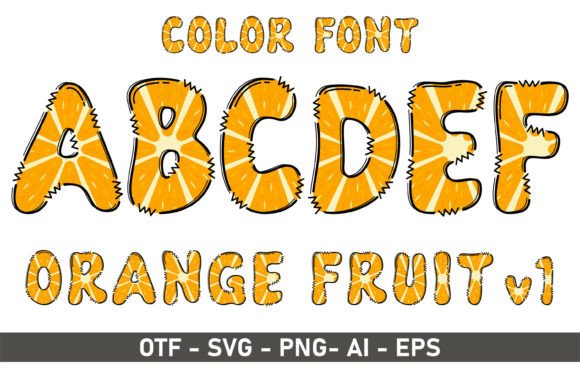
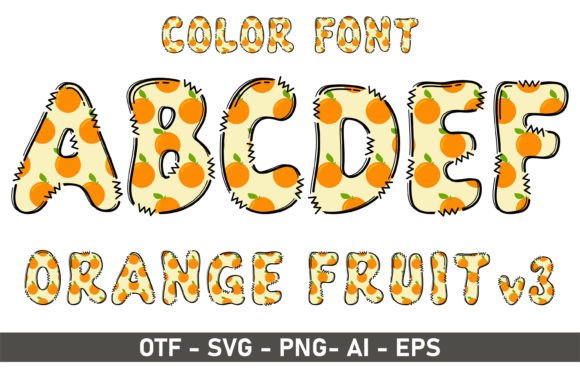
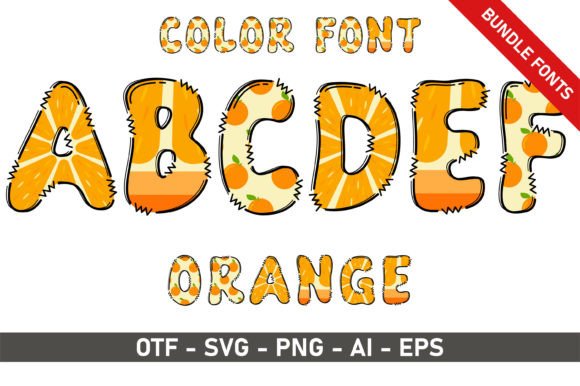
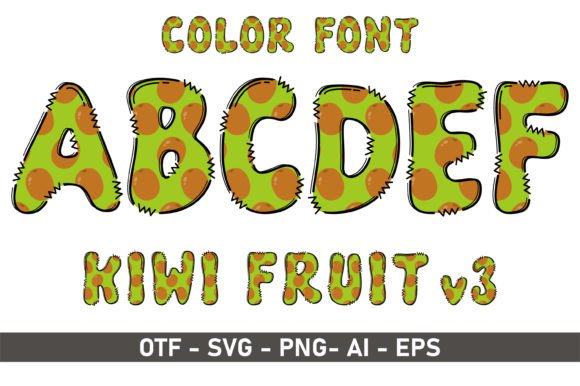
Kiwi V3 is a premium color font built using OpenType-SVG technology, which means each letter carries its own painted, multi-tonal appearance right inside the font file. Unlike traditional typefaces where you pick a single color in your design software, this one arrives with built-in color gradients, textures, and brushstroke effects that look hand-crafted. The result is a typeface that feels alive — like someone took a set of paintbrushes and turned the alphabet into art.
The visual style sits comfortably between whimsical and polished. It's playful enough for a children's brand but refined enough that it won't look amateurish on professional packaging or editorial layouts. Think of it as the kind of creative font that bridges the gap between fun and functional. The letterforms have a slightly rounded, organic quality with visible texture, giving them a handmade feel without sacrificing legibility at typical display sizes.
Where This Font Truly Shines
Not every typeface works everywhere, and that's actually a good thing. Kiwi V3 is a display font, meaning it's designed for headlines, titles, and short bursts of text rather than body paragraphs. Understanding this distinction saves you from the common mistake of using a decorative font where clean readability matters most.
Here's where designers and creators tend to get the best results with fonts like this one:
- Logo design — especially for brands targeting families, kids, food, wellness, or lifestyle audiences
- Packaging design — think artisan products, snack brands, cosmetics with a natural or playful angle
- Social media graphics — Instagram stories, quote cards, promotional posts that need to stop the scroll
- Invitations and greeting cards — birthdays, baby showers, holiday cards, wedding save-the-dates with a casual vibe
- Children's books and educational materials — covers, chapter titles, activity sheets
- Blog headers and website banners — adding personality to lifestyle and creative blogs
- Merchandise — tote bags, mugs, t-shirts, stickers
- Digital products — planners, worksheets, printable art sold on Etsy or Creative Market
If you run a small business and handle your own marketing materials, a font like this can be a genuine time-saver. Instead of commissioning custom hand-lettering for every new product launch or seasonal campaign, you have a ready-made asset that already carries that artisan quality.
Pairing Kiwi V3 With Other Typefaces
One of the smartest things you can do with a bold display font is pair it with something quieter. Kiwi V3 does the heavy lifting visually, so the fonts you use alongside it should play a supporting role rather than compete for attention.
A clean sans serif font works beautifully for body text, navigation menus, or any place where extended reading is involved. Something like Montserrat, Open Sans, or Lato gives your layout breathing room and keeps the overall design from feeling cluttered. If your project leans more editorial or sophisticated, a classic serif font for secondary text can create an interesting contrast — the organic warmth of Kiwi V3 against the structured elegance of a serif typeface adds visual depth.
For script font lovers, be cautious about pairing two expressive styles together. It can work if one is significantly more restrained than the other, but generally, one hero font per design keeps things readable and intentional.
A practical tip: mock up your font pairings before committing. Drop your chosen combination into a real layout — not just a blank document — and see how it holds up with actual content, images, and spacing. What looks gorgeous in isolation sometimes falls apart in context.
Technical Details Worth Knowing
Because Kiwi V3 uses OpenType-SVG color font technology, it behaves differently from standard OTF or TTF files. The color and texture are embedded directly into the glyphs, which is what gives each letter that rich, painted appearance. However, this also means compatibility matters.
This font works well in Adobe Photoshop, Adobe Illustrator, Silhouette Studio, and Inkscape. If you're a designer who primarily works in these applications, you're set. Where it gets tricky is with cutting machines. The standard OTF and TTF files included with this product are not compatible with Cricut, which is an important detail for crafters who rely on that platform. If you're unsure about how color fonts work in your specific software, checking a dedicated font guide before purchasing can save you frustration down the road.
For commercial projects, always review the licensing terms. Most premium fonts come with a license that covers both personal and commercial use, but the specifics — like how many users or devices are covered — vary. If you're a small business owner creating packaging or a marketing team producing campaign assets, understanding your license protects you legally and ensures you're using the font within its intended scope.
Making It Work for Your Brand Identity
Typography is one of the most underrated tools in brand building. The fonts you choose communicate tone, values, and personality before anyone reads a single word. A playful, hand-painted typeface like Kiwi V3 tells your audience that your brand is approachable, creative, and human. It works particularly well for businesses that want to feel personal rather than corporate — think independent bakeries, children's clothing lines, handmade soap companies, or creative coaching brands.
The key is consistency. If Kiwi V3 becomes part of your visual identity, use it deliberately and repeatedly across touchpoints. Your website header, your product tags, your email newsletters, your Instagram highlights — when the same distinctive typeface appears across all of these, it builds recognition. People start associating that visual style with your brand, even before they see your name.
That said, resist the temptation to use it everywhere. A brand identity that relies on a single expressive font for all text becomes exhausting to look at. Reserve it for moments of impact — headlines, logos, featured quotes — and let simpler typography handle the rest. This contrast actually makes the playful elements pop more because they aren't diluted by overuse.
Final Thoughts on Choosing the Right Creative Font
The best font for your project isn't necessarily the trendiest or the most expensive — it's the one that aligns with what you're trying to communicate. Kiwi V3 fills a specific niche beautifully: projects that need color, texture, and personality without looking chaotic. Whether you're designing a poster for a local kids' event, building out product packaging for a new Etsy shop, or creating social media content that needs to stand out in a crowded feed, having a distinctive typeface in your toolkit makes the creative process faster and more enjoyable.
Take time to experiment. Test it at different sizes. Try it on both light and dark backgrounds. See how it reads in a quick glance versus a longer look. Good design is about informed choices, and the more you understand how a font behaves in real scenarios, the more confidently you'll use it across all your creative work.