Blue Sky: A Colorful Font for Creative and Playful Designs
There's a moment in every creative project where the font choice either brings the whole concept to life or leaves it feeling flat. If you've ever struggled to find a typeface that captures pure joy, whimsy, and energy, you know the feeling. That's where a display font like Blue Sky enters the picture—not as just another option, but as a genuine tool for injecting personality into your work. This isn't your standard corporate typeface; it's a color font, specifically an OpenType-SVG format, designed to make your designs pop with vibrant, built-in color directly within the letterforms themselves.
The Visual Appeal of a Whimsical, Artistic Typeface
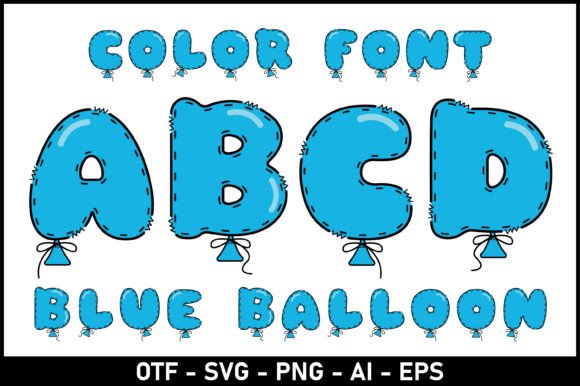
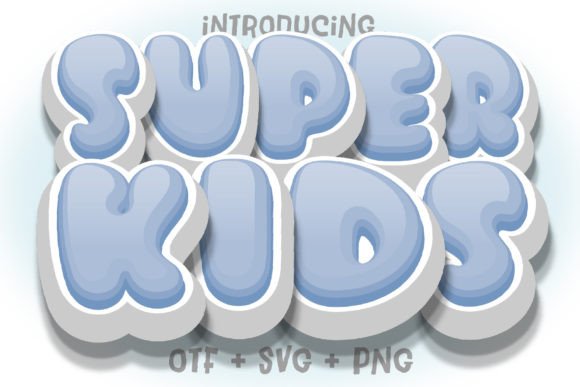
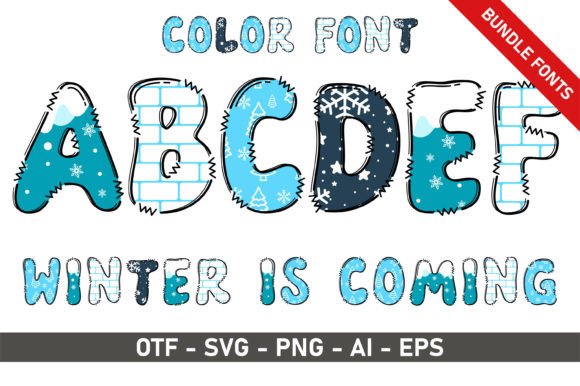
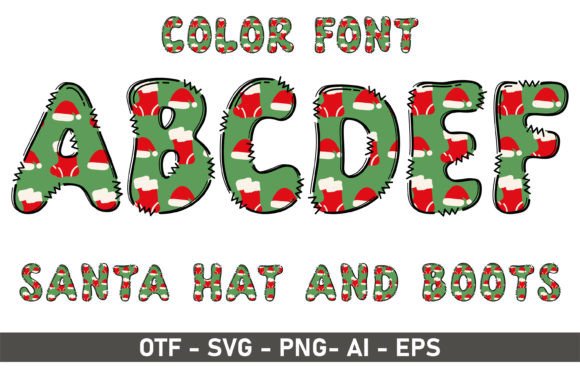
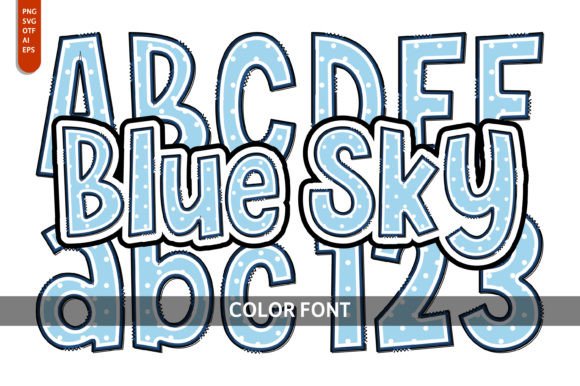
Blue Sky is crafted with a playful, artistic spirit. Its letterforms are designed to be approachable and friendly, often featuring rounded edges, flowing lines, and a sense of movement that feels both hand-drawn and polished. What sets it apart immediately is its nature as a color font. Unlike traditional fonts where you apply a single color to all the characters, Blue Sky arrives with its own internal color palette. Each letter can display multiple hues, gradients, or even subtle textures, creating a rich, engaging visual effect right out of the box. This characteristic makes it exceptionally effective for projects targeting young audiences, but its charm extends far beyond children's books. Think of the last time you saw a logo that felt genuinely fun, or packaging that made you smile before you even knew what the product was. That emotional connection is often driven by typography that refuses to take itself too seriously. Blue Sky embodies that principle. It's easy to read despite its decorative nature, striking a crucial balance between flair and functionality. The letters maintain clear shapes and adequate spacing, ensuring that your message isn't lost in the style. This makes it a creative font that serves a purpose, not just a novelty.
Practical Applications: From Branding to Digital Products
Understanding a font's personality is one thing; knowing where to use it is where the real value lies. A typeface like Blue Sky isn't for every project—and that's a good thing. Its strength is in its specificity. Here’s how designers, entrepreneurs, and creators can put it to work effectively.
For brand identity, especially for businesses in family entertainment, children's education, artisanal crafts, or party supplies, Blue Sky can become a cornerstone. Using it for a logo immediately communicates a brand that is approachable, creative, and vibrant. It sets the tone before a single word of copy is read. Pair it with a clean, neutral sans serif font for body text to create a balanced and professional presentation that doesn't overwhelm.
In packaging design, this font shines. Imagine a line of gourmet cupcakes, a series of organic children's snacks, or a boutique soap brand. The colorful, whimsical nature of Blue Sky on the label can make the product feel special, handmade, and full of personality. It catches the eye on a crowded shelf and creates a memorable unboxing experience. The same principle applies to merchandise—t-shirts, tote bags, or stickers where a bold, graphic statement is needed.
Digital spaces are a natural home for this typeface. Social media graphics need to stop the scroll. A quote card, a sale announcement, or an Instagram story using Blue Sky's colorful lettering can instantly stand out in a feed of standard text. It adds a layer of visual interest that plain fonts cannot. For web design, consider it for hero section headlines on a creative agency's portfolio, a landing page for a children's workshop, or a blog focused on DIY crafts. It establishes the site's vibe immediately. However, readability considerations are key here; it's best used for short headlines and pull-quotes, not for lengthy paragraphs of body copy.
The applications extend to physical print materials as well. Think invitations for birthday parties, baby showers, or community events. Greeting cards for any occasion where a heartfelt, artistic touch is desired. Posters for local theater productions, school fairs, or indie band gigs. Even editorial layouts in magazines or zines targeting a creative audience can use Blue Sky for section headers or feature titles to inject energy and break up the monotony of standard typography.
Integrating Blue Sky Into Your Design Workflow
Choosing the right font is a strategic decision. It's not just about what looks nice in a vacuum, but what aligns with your project's goals and audience. Before you default to Blue Sky, ask yourself: Does the brand or project personality call for a sense of fun, whimsy, and creativity? Is the target audience likely to respond positively to a bold, artistic visual style? If the answer is yes, you're on the right track.
A critical step is testing font pairings. Blue Sky is a display font, meaning it's designed for impact at larger sizes. It rarely works well alone for an entire project. The most effective approach is to pair it with a more subdued, highly legible serif font or sans serif font. For example, use Blue Sky for the main headline, then use a font like Open Sans, Lato, or a friendly serif like Lora for subheadings and body text. This creates a clear typographic hierarchy: Blue Sky grabs attention for the key message, and the supporting font ensures the rest of the information is comfortably readable. Always test these pairings at the actual size they'll be used, both on screen and in print if applicable.
It's also wise to review the full character set and any included styles when you acquire a premium font. Does it come with alternates, ligatures, or multiple weights? Understanding the full toolkit at your disposal allows for more creative flexibility and helps maintain visual consistency across all your assets, from a logo design to a full suite of marketing assets.
Important Considerations for Commercial Use
One non-negotiable aspect of using any font for commercial projects is licensing. Blue Sky, as a commercial font, comes with a license that specifies how it can be used. Always read the license agreement thoroughly. Most licenses cover use in digital and print projects, but there may be restrictions on embedding in software, using in products for resale (like templates), or the number of users or computers allowed. Ensuring you have the correct license protects you legally and supports the type designers who create these valuable design assets.
Finally, a note on technical compatibility. As an OpenType-SVG color font, Blue Sky requires specific software support. It works seamlessly in modern versions of PhotoShop, Illustrator, Silhouette, and Inkscape. This is crucial for designers who use these tools for packaging design, logo design, or creating digital products. However, it's important to know that standard OTF or TTF versions are not compatible with certain cutting machines like Cricut. If you're a crafter or small business owner creating physical products with such a machine, you'll need to use the font within a compatible design software like Silhouette Studio or Inkscape first to create your design, then export it as a compatible file (like SVG) for the cutter. Checking a comprehensive Ultimate Font Guide for such specifics can save hours of frustration and ensure your creative process is smooth from start to finish.
In the end, a font like Blue Sky is more than just a set of letters. It's a vehicle for emotion and personality. Used thoughtfully, it can transform a mundane project into something memorable, helping you connect with your audience on a more visceral level and making your creative work truly stand out.